
What is Cardiac Profile Testing?
Cardiac profile testing is a group of blood and heart tests. These tests help check your heart health. Many people call it a heart health screening or cardiac risk assessment. Usually, doctors use these tests to find early signs of heart disease. Because heart problems can be silent, these tests are important for everyone, even if you feel fine.
Why is Cardiac Profile Testing Important?
Heart disease is a leading cause of death worldwide, according to the World Health Organization (WHO). However, early detection can save lives. Cardiac profile testing helps find risks before symptoms appear. As a result, you can take steps to protect your heart. Early action often means better outcomes. In addition, these tests guide doctors in choosing the right treatment for you.
Common Tests Included in a Cardiac Profile
Cardiac profile testing usually includes several tests. Each test checks a different part of your heart health. For example, some tests look at your blood, while others check your heart’s rhythm. Here are common tests you may have:
Who Should Consider Cardiac Profile Testing?
Many people can benefit from cardiac profile testing. For instance, you should consider it if you:
Even if you feel healthy, regular heart health screening is wise. Early testing can catch problems before they become serious.
How to Prepare for Cardiac Profile Testing
Preparation for cardiac profile testing is simple. Still, following your doctor’s advice is important. Here are some tips to help you get ready:
Because some tests need fasting, always check with your healthcare provider first.
What to Expect During and After the Test
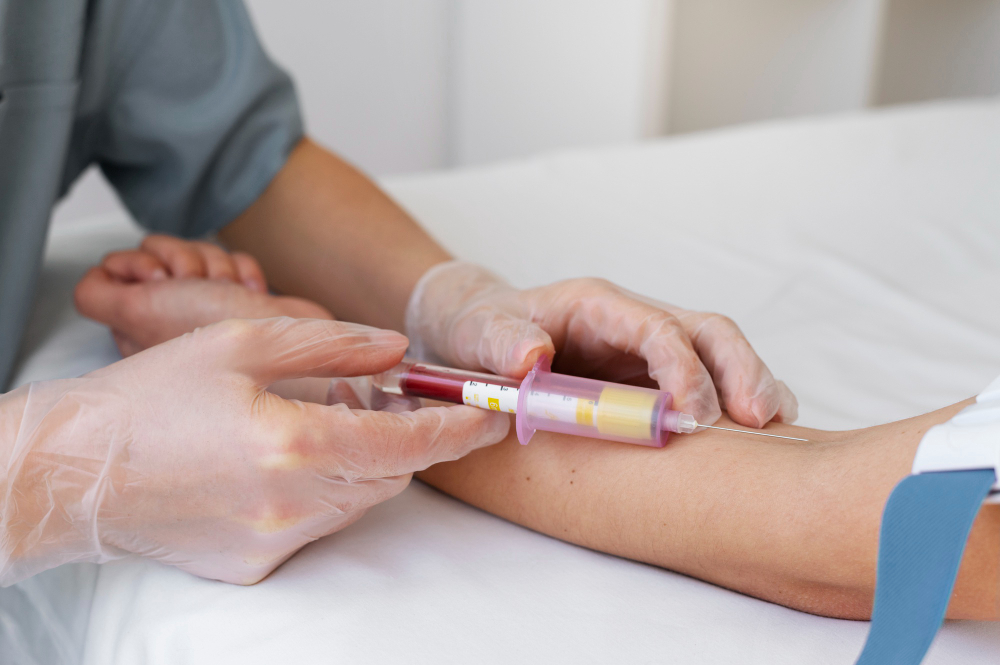
Cardiac profile testing is quick and safe. First, a nurse will take a small blood sample from your arm. Sometimes, you may also have an ECG. This test uses small stickers on your chest to record your heart’s rhythm. Both tests are painless and take only a few minutes. Afterward, you can return to your normal activities. However, if you feel dizzy or unwell, let the staff know right away.
Understanding Your Results
Once your results are ready, your doctor will explain them. Each test has a healthy range. If your numbers are outside this range, it may mean a higher risk for heart disease. For example, high cholesterol or high blood sugar can increase your risk. But, your doctor will look at all your results together. This helps them decide if you need more tests or treatment. Always ask questions if you do not understand your results.
Prevention and Lifestyle Tips for Heart Health
Even if your cardiac profile test is normal, healthy habits matter. Here are some ways to keep your heart strong:
Because heart disease can develop slowly, regular check-ups are important. The Centers for Disease Control and Prevention (CDC) also recommends these steps for heart health.
Conclusion
In summary, cardiac profile testing is a simple way to check your heart health. Early testing helps find risks before problems start. If you have questions or concerns, consult a healthcare specialist for personalized advice on cardiac profile testing.